Friday, October 30, 2026
I was told "Ew no." I should have listened
I fucked up. When card game designers told me “Ew no.” about prototyping card games with AI in Card-a-mon, a tool for designing card games, I did not listen: I added AI art generation, and when the pictures were mocked, I paid for better models. It took me three weeks, a card game of my own and some reading to understand that the problem was not the quality.
This post is about what went wrong, what I have removed, and what stays.
The excitement
Card-a-mon is a tool for designing card games: you make a card layout, fill it with texts and images, and print the cards or send them to a print shop. I made the first version of Card-a-mon at the end of 2018, long before generative AI was a thing, and almost dropped it several times. Two months ago I was thinking of closing it, because I thought nobody used it. Then I saw that almost 40 people had created accounts (it used to work only without an account; now it works either way). Seeing people actually use your product is a huge motivation, so I decided to improve Card-a-mon.
So I started adding features and reworking the UI. The hardest part for a designer who is not an artist (like me) is pictures. So AI art looked like the obvious feature to add.
And I went all in:
- Card art drawn with Black Forest Labs’ FLUX. I have tried several models, compared prices and quality, and offered three of them: a quick sketch, card art and “best”.
- Vector pictures drawn by Claude as SVG.
- Art styles as recipes, so that all the cards of a game look alike.
- The template’s frames and card backs repainted in the game’s art style.
- “Start from an idea”: you talk a game through with Claude and it makes the first version of the project for you, with cards, rules and pictures.
- All of this from the editor, the chat and over MCP for your own assistant.
It was exciting to build, and there were interesting technical problems too. For example, every model drew a card frame around the picture when the prompt said “trading card illustration”. The fix was to never say “card” in the prompt and ask for “a full-bleed illustration, the scene fills the image edge to edge” instead.
How I did not listen
My post about prototyping card games with AI in r/cardgamedesign got “Ew no.” as its first comment. The same post in r/tabletopgamedesign got the question what it is even for: if AI does the art and the design, it is “Not your game anymore because you outsourced the creative tasks”.
I thought I had listened, and three weeks later I came back with new features, AI image generation among them. The most upvoted comment thanked me for showing “AI cards with extra hands, a watering can coming out of a pocket, and birds with two beaks”. My answer was that it was a draft made with a cheap model, and that I had used a more expensive one since. Another comment summed it up better than I could: “yeah we saw how you complained about the ai usage so we added more ai”.
That is the part I am least proud of. I was told, and I answered with a better model.
AI art in a game of my own
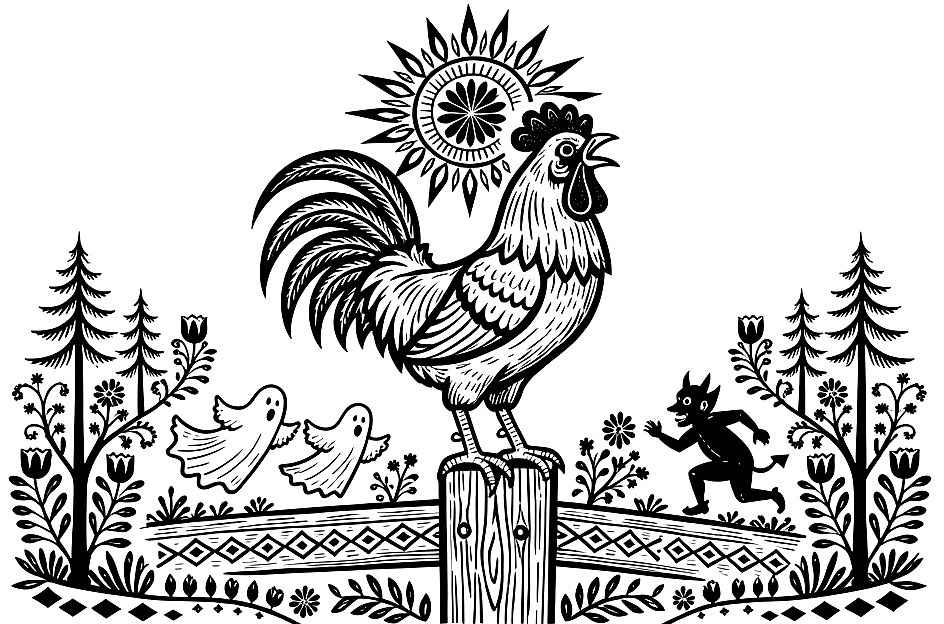
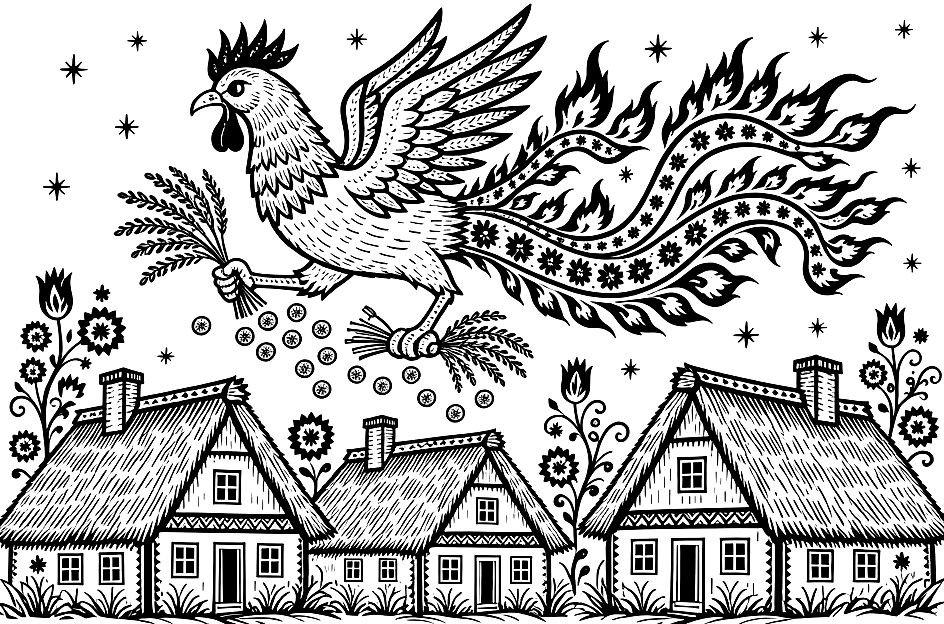
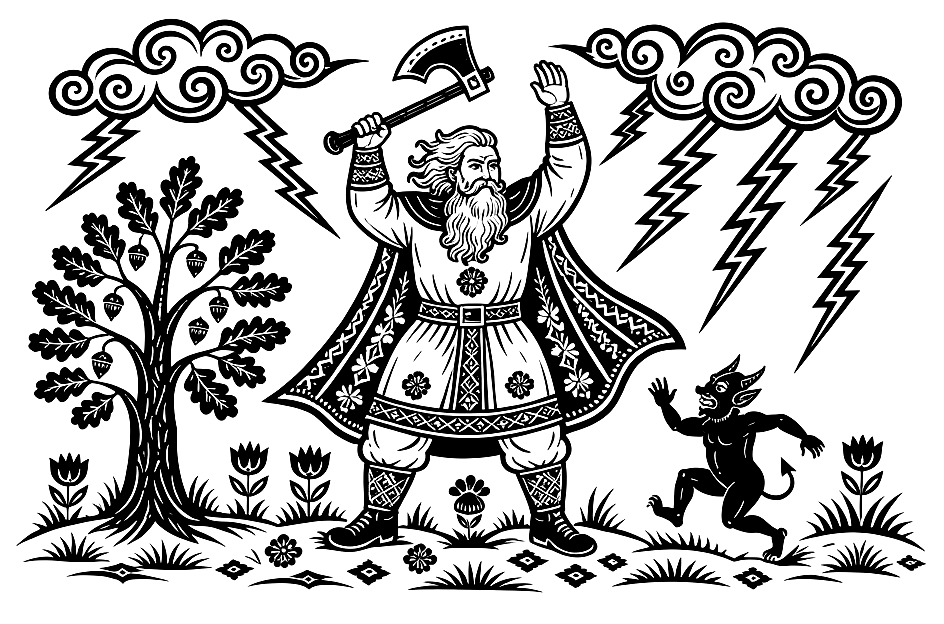
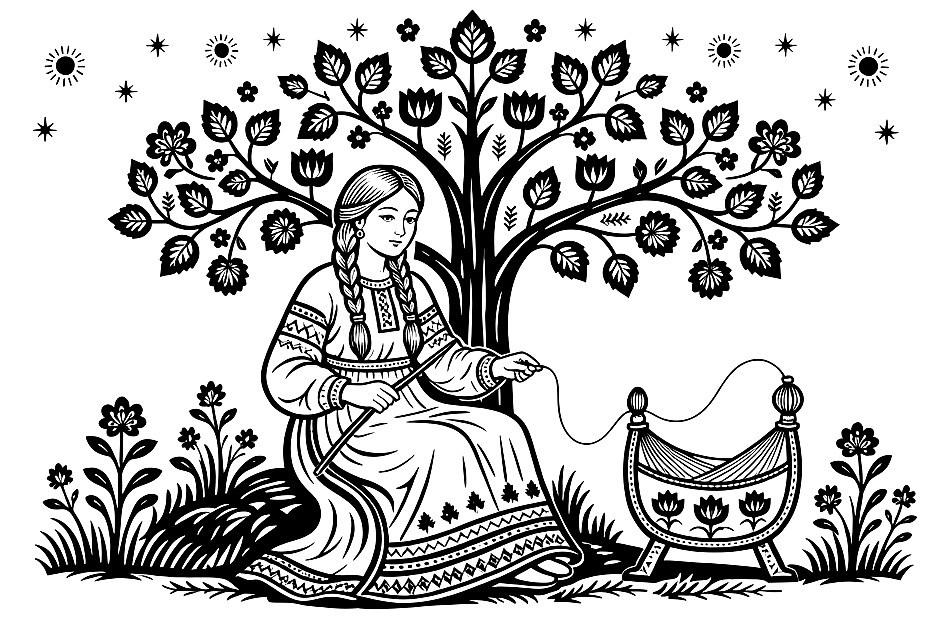
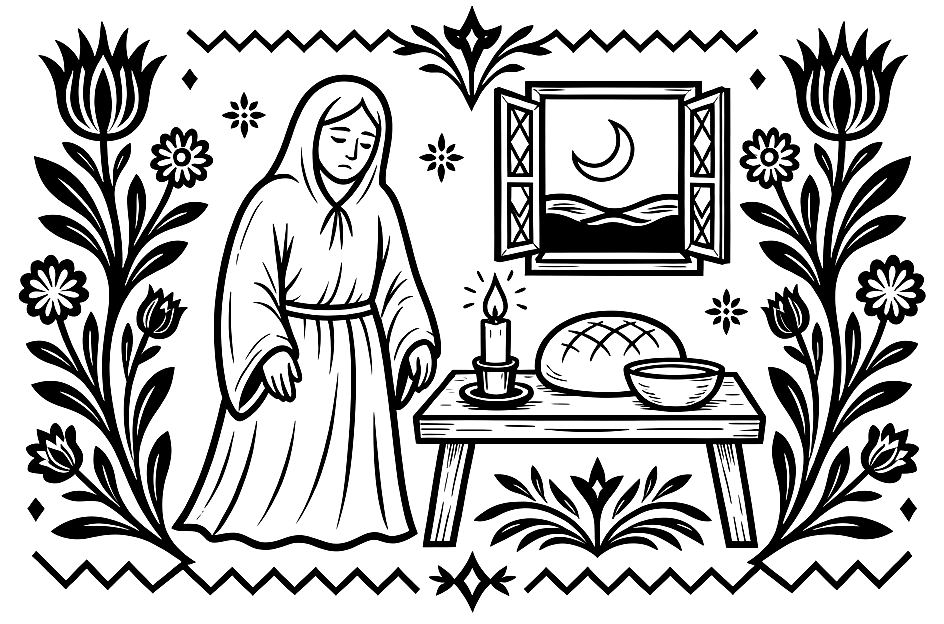
To see how it works on a real game, I made a small card game with creatures from Lithuanian folklore. It has 13 different cards, and each belongs to one of three realms: the sky, the earth or the underworld. All the pictures were drawn by FLUX in one art style, black and white like a folk paper cut.
This is where it failed for me, not for somebody on Reddit. I used FLUX 3, the most expensive model, and still could not get a consistent result. These are the card pictures. None of them will be in the finished game: they will all be redrawn by hand.
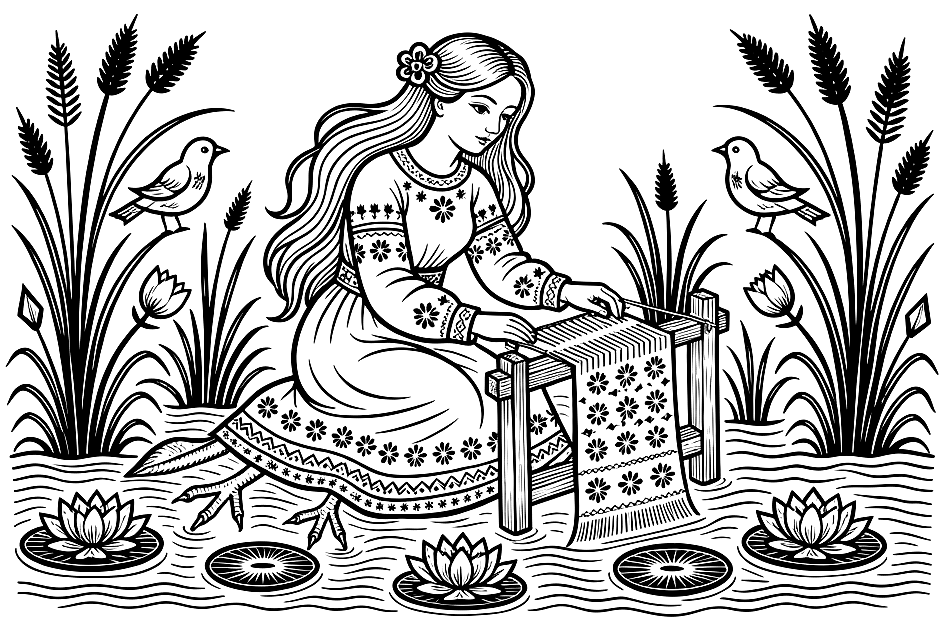
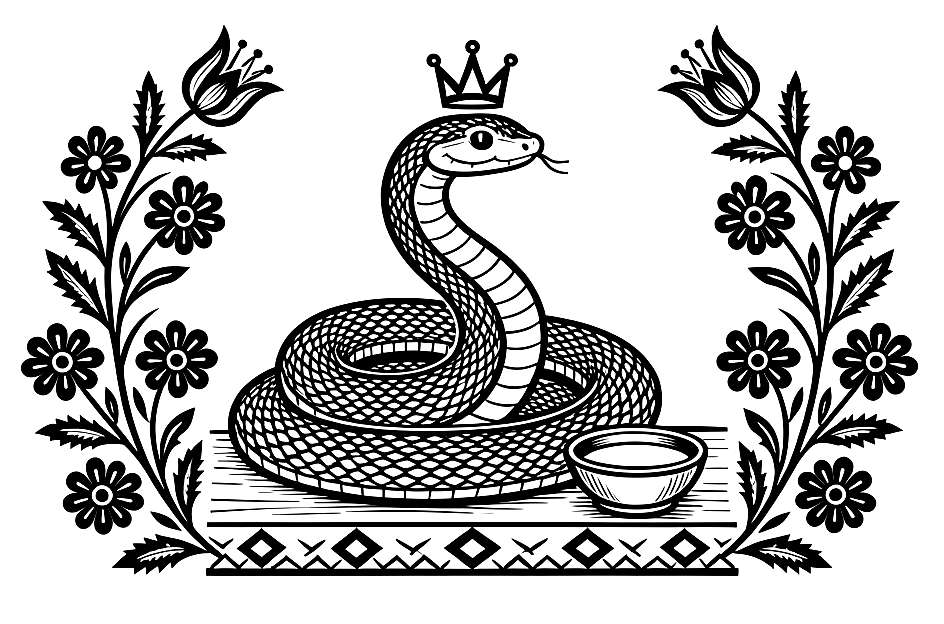
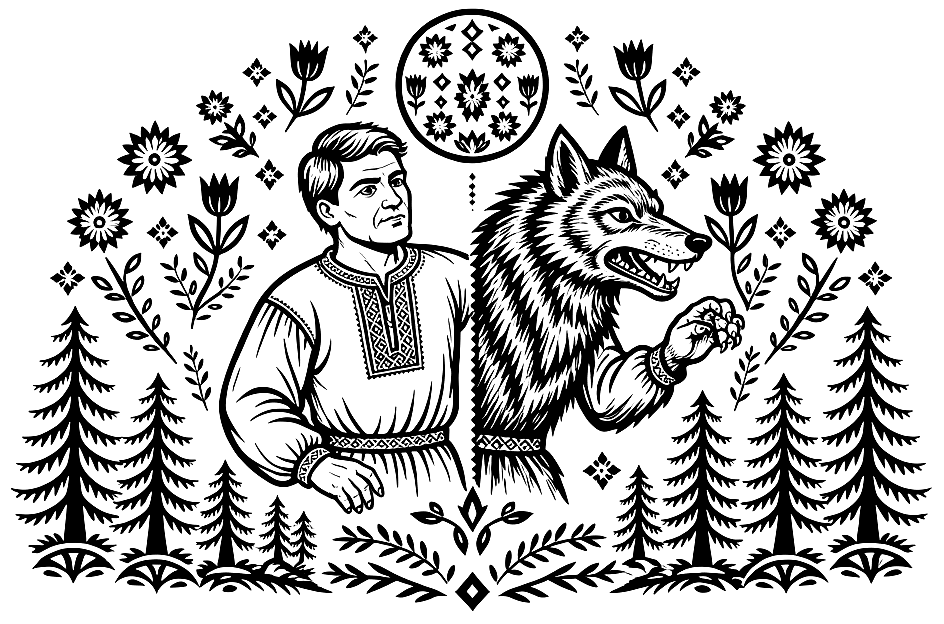
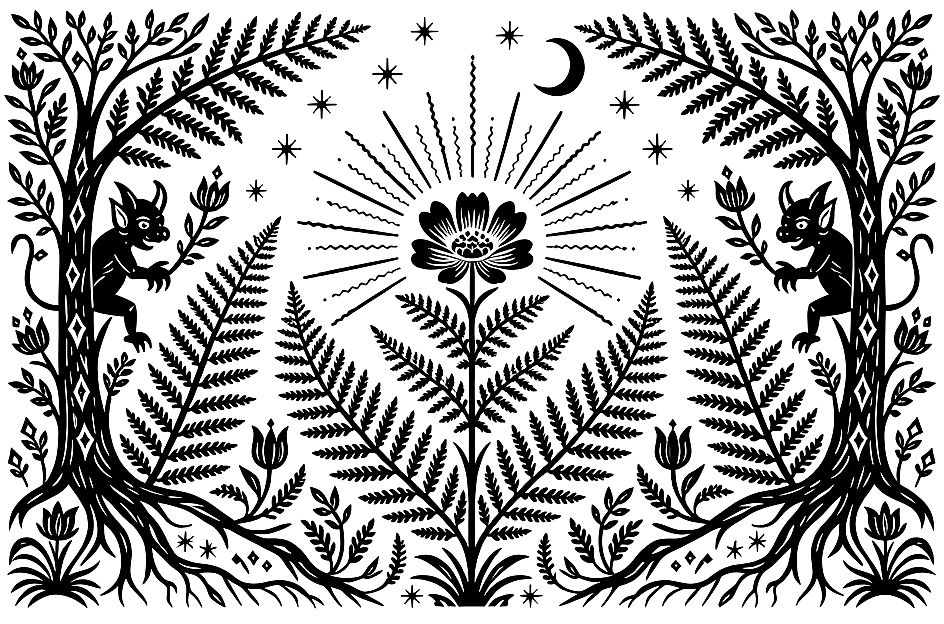
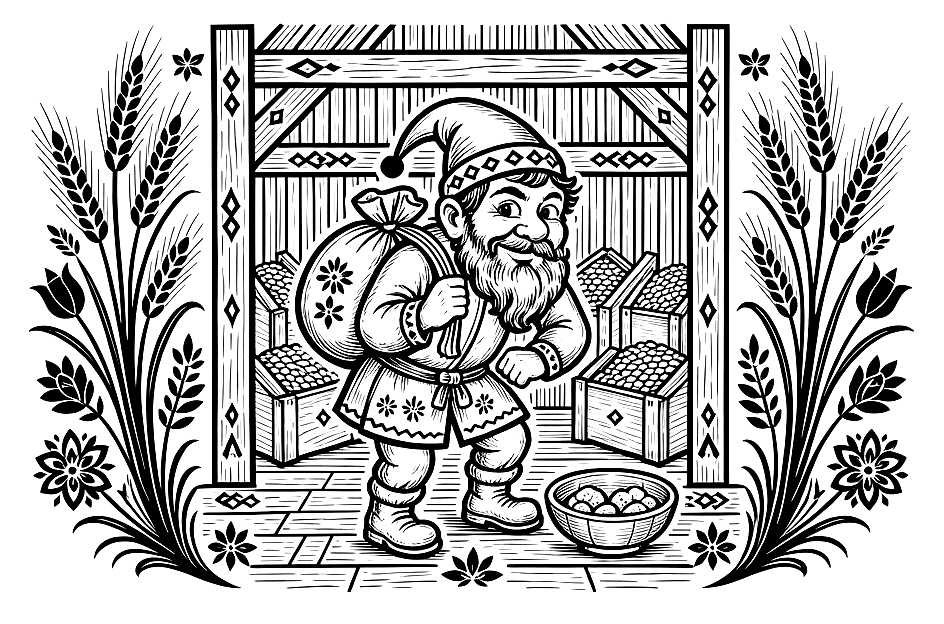
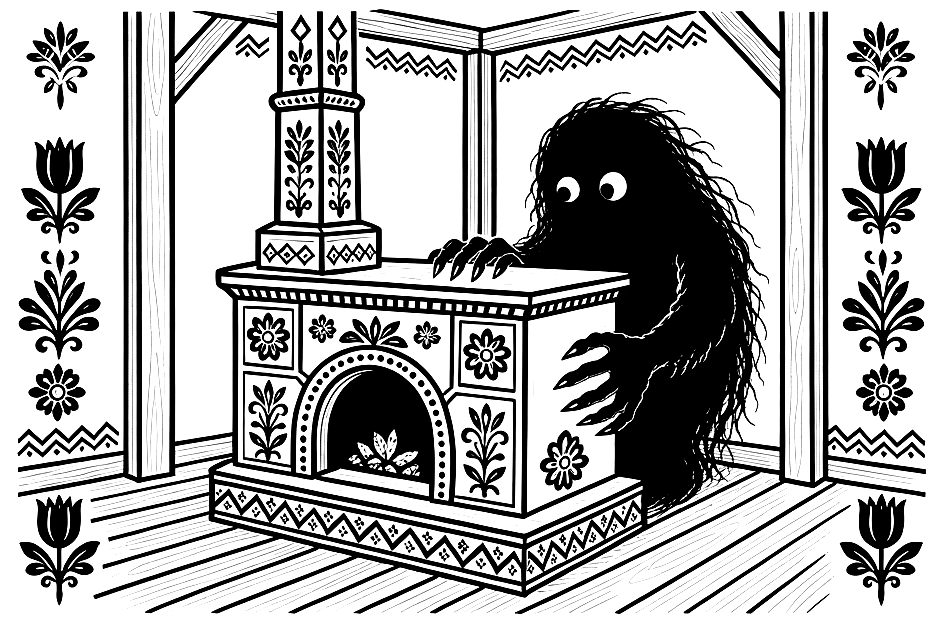
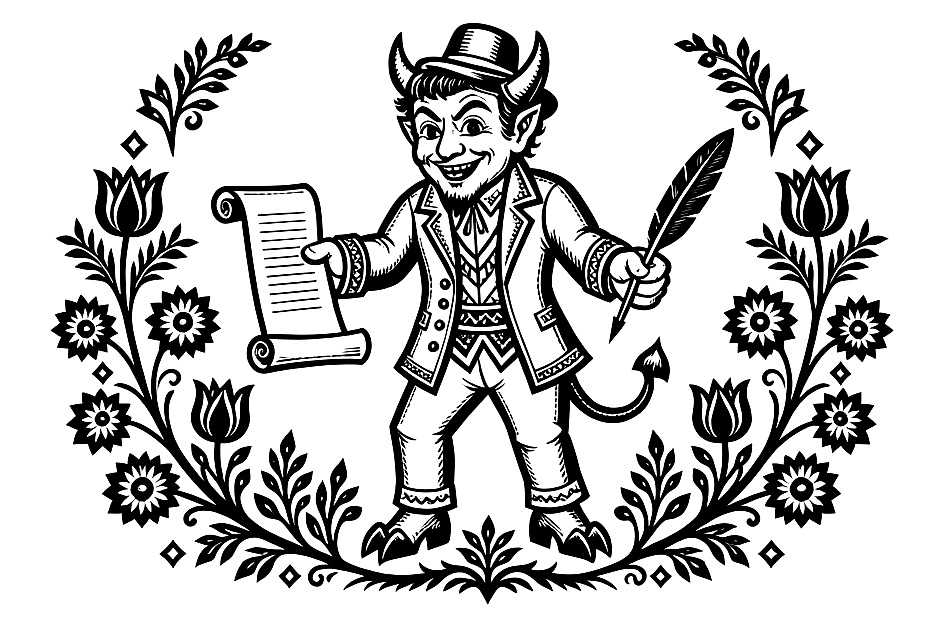
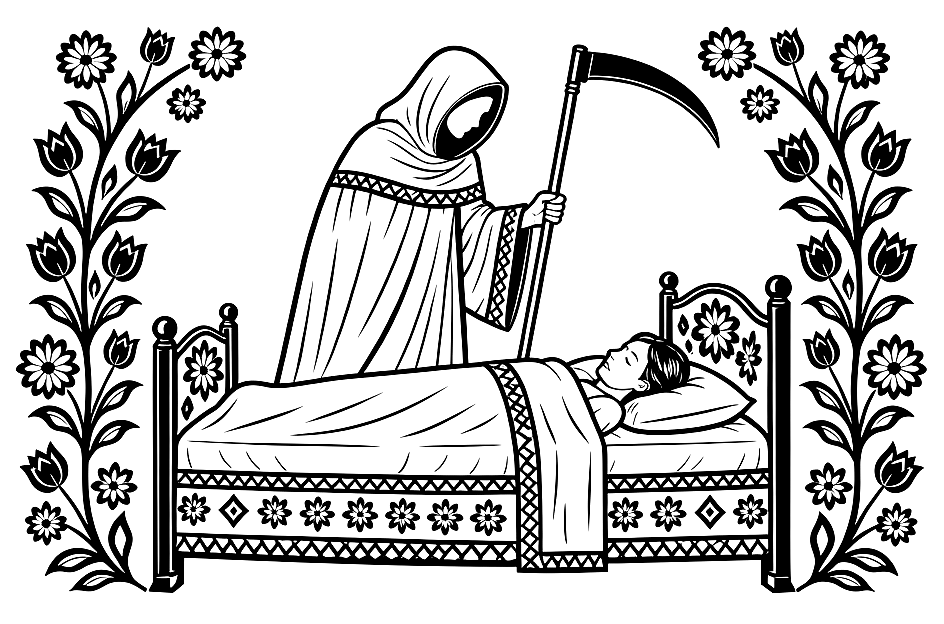
And these are the realm symbols on the backs of the cards:


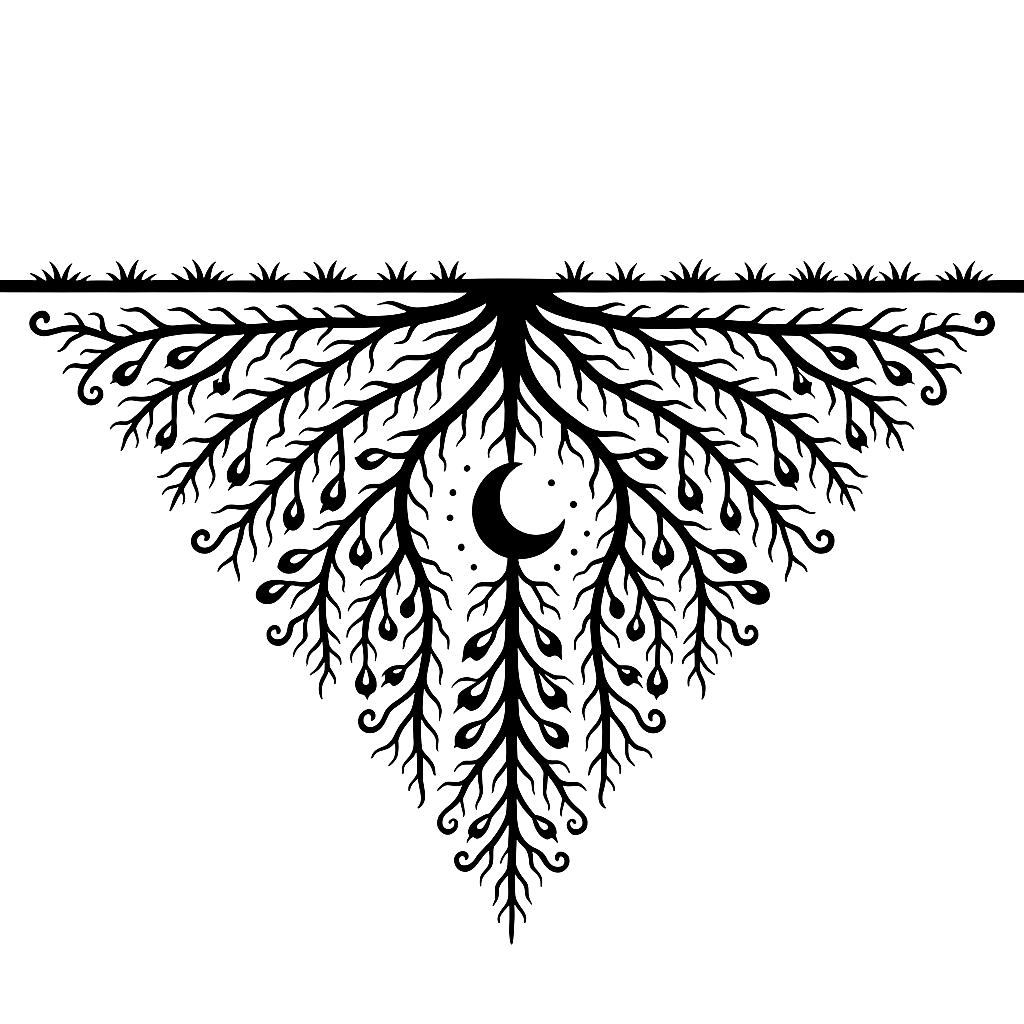
Each picture is almost fine on its own. Together they do not work:
- The devils and the ghosts are not the same on every card.
- The patterns that should be traditional Lithuanian are different from card to card, and on some cards they are not Lithuanian at all.
- Some characters have that recognizable AI look.
- Laumė is mythologically right, with bird legs and a tail, but the way she is drawn looks like AI slop.
These are small details, but together they do not work even for me, and I wanted them to work. A designer who cares about the theme of their game would see them at once. I think players would feel that something is off too, even if they could not say what.
The research
When I finally looked into it properly, it was not only a few people on Reddit.
Designers. In the TTGDA’s survey of 171 member designers (March 2026), 2 make AI art they mean to keep in a game, and about four in five are strongly opposed to it in a finished one. AI placeholder art splits them: 30% accept it, 39% are strongly opposed. More than half are strongly opposed to AI inventing a game’s ideas. Editing text is opposed least, and help with probability and balance is a common use.
Publishers. Games Workshop bans AI from its designs, and Asmodee keeps it out of its own games (same article). Stonemaier wants “nothing to do with it”. Ravensburger forbids it in any part of the art process.
Conventions, crowdfunding and shops. UK Games Expo bans games made “completely or in significant part” with AI, as do Dragonmeet and Tabletop Scotland. The ENnies take no product with it. BackerKit wants assets made by people. Kickstarter and DriveThru want it declared. Shops like Vault Games label such games. Awaken Realms’ Concordia was review-bombed on BoardGameGeek over it, and Cola Wars’ publisher promised to replace all AI art after a backlash on its campaign.
Reddit. r/tabletopgamedesign and r/BoardgameDesign are full of designers removing AI art from their games, and those posts are among the most upvoted: Purging my game of AI art, First sketch post AI art purge, Need help moving from AI art to commissioned art (315 comments), and Using AI “art” for your board game is a trap. Even AI placeholders are questioned: one designer there switched from them to free icons and found that the cards “came out way faster and also look much better”.
Where I stand now
I did not think much about whether AI art is legal. It was more wishful thinking: if a service sells it, it must be fine. It is not that simple. It is not clear that it is legal, and I cannot prove that it is: Black Forest Labs does not name most of FLUX’s training sources, so I cannot promise anybody that the pictures Card-a-mon drew for them are clean.
And I do not think AI art is the right tool even for a prototype. Concept art, pictures you are allowed to use, and a simple drawing technique you can learn work better: they are yours, they are consistent because you made them, and nobody will look at them and see AI. Designers on Reddit say it more bluntly: “I’d rather see stick figure art made by hand with crayons than AI slop”, and “I would rather play a game that looks designed by a 10 year old that an AI designed one”. After trying AI art in my own game, I agree with them.
The decision
So I removed it. Luckily nobody had used the AI art yet, and nobody had used “Start from an idea” either, so nobody loses anything.
So now:
- Card-a-mon draws no pictures. Art styles, repainted frames and backs, the image generation in the chat and over MCP are gone.
- “Start from an idea” is gone. You start a game from New project, or import one.
- Instead of a prompt, an image field has a picture note: what the picture should show. Claude writes one for each card it adds, or you write it yourself. It is shown in the empty field in the editor, is not printed, and is a column of the CSV, so you can hand it to whoever draws your pictures.
The removal took away about 12,100 lines of code and 4,900 lines of tests: about 12% of the code and 15% of the tests. On one hand, it is sad to see your work go, and the sunk cost fallacy does not make it easier. On the other hand, it feels good to stop investing in the wrong thing, and a smaller code base is easier to maintain.
Which AI stays, and why
I have not removed AI from Card-a-mon completely. I have drawn a line: AI can help with the work around a game, but the ideas and the art are the designer’s. That is close to where designers draw it themselves. In the TTGDA survey AI art and AI inventing a game are what they are most against, while editing text is the use they oppose least, and help with probability and balance is a common one. Even Stonemaier, which wants nothing to do with AI art, text or game design, is “open to brute-force AI playtesting to add to our human playtesting process”.
So this stays:
- The chat beside the cards. You ask Claude to do the tedious edits, such as bigger titles or an icon on every resource, and to check the cards as they will print. Whatever one message changes can be undone in one step.
- Playtests by bots. Claude writes your rules as a program, and bots play the game hundreds of times in your browser. The answer says how long a game takes, whether going first helps, and which card is too strong or too weak. This is the playtest bot Stonemaier described: one that can “spit out 10,000 games’ worth of data in a few minutes”. It does not replace people at the table: it cannot say whether the game is fun.
- Your own AI assistant over MCP. You can connect Claude or another assistant to Card-a-mon, and it works on your projects the way you would in the editor. It can bring in a picture from a link or a file, or an SVG it made. Anybody can make a picture with an AI elsewhere and upload it to Card-a-mon by hand; MCP is just another way to do the same thing. But Card-a-mon itself draws nothing.
- The picture note. Claude writes one for each card it adds: not the picture, but what the picture should show, for the person who draws it.
None of it is needed to use the editor. Nothing is changed unless you ask, AI is paid for in credits, and a game kept on your computer needs no account at all. If you have AI credits, they still pay for the chat and the playtests.
The chat can still write card texts and add cards if you ask it to, and Stonemaier is against AI writing text too. I keep it because Claude writes text only when asked, and the designer reviews every change and can undo it.
What I have learned
I took some lessons from this:
-
When the people you build for tell you no, listen to them, not to your excitement.
-
Do the research before building the exciting feature, not after.
-
What is exciting to build is not necessarily what users want.
-
Verify; do not assume what you wish were true.
Lastly, if you use Card-a-mon and something is missing, or you wish it had a feature, write to me. I will think about it, and might build it in some form.